
Catalysis for Energy
Catalysis is the addition of a catalyst to a chemical reaction to change the pace of the reaction. Because catalysts are not consumed during the catalysed reaction, they remain unaltered thereafter. In many cases, only a little amount of catalyst is necessary.
In today's industrial era, energy is a crucial factor. Two primary activities will necessitate improved catalysts. First, for increased raw material processing efficiency. Second, new catalysts will be required for the varied chemistry of solid-state fuel synthesis. The realisation that chemical energy storage of renewable energy is critical for overcoming barriers to moving away from a fossil fuel-based energy supply, necessitates new energy research approaches.
- Bio-derived compounds upgrading
- Biomass conversion
- Catalysis for fuel cells
- Catalytic technologies for fossil fuels
- CO2 conversion
- Hydrogen production
- Syngas & methane conversion
Committee Members

Alexander G Ramm
Kansas State University, United States
Thomas J Webster
Interstellar Therapeutics, United States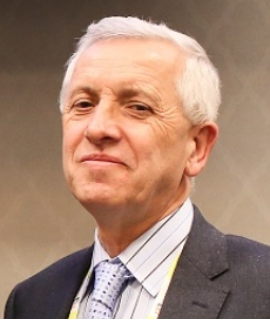
Stanislaw Dzwigaj
Sorbonne University, France CCET 2023 Speakers
Stanislaw Dzwigaj
Sorbonne University, France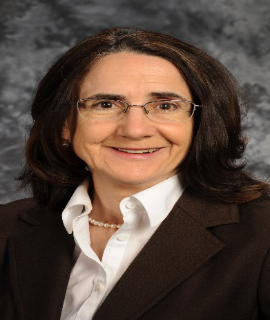
Anne M Gaffney
University of South Carolina, United States
Delia Teresa Sponza
Dokuz Eylul University, Turkey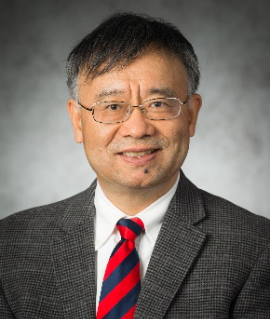
Ji Wang
Ningbo University, China
Ziyi Zhong
Guangdong Technion-Israel Institute of Technology, China
Evgeniya N Vlasova
Boreskov Institute of Catalysis SB RAS, Russian Federation
Title : Basic lattice reactions in memory behavior of shape memory alloys
Osman Adiguzel, Firat University, Turkey
Title : Application of metal single-site zeolite catalysts in heterogeneous catalysis
Stanislaw Dzwigaj, Sorbonne University, France
Title : Bioelectrocatalytic materials based on buckypapers and biosourced glyconanoparticles
Serge Cosnier, Universie Grenoble Alpes, France
Title : Human nanomedicine: Catalysts for improving health in the clinic
Thomas J Webster, Interstellar Therapeutics, United States
Title : Solution of the millennium problem concerning the Navier-Stokes equations
Alexander G Ramm, Kansas State University, United States
Title : Distal functionalization via transition metal catalysis
Haibo Ge, Texas Tech University, United States
Title : Plastic Trash to Monomers and Intermediates – PTMI
Anne M Gaffney, University of South Carolina, United States
Title : Role of supplemented nutrients and intermediate temperature on bio-methane generation from anaerobic digestion of agricultural waste: Feasibility & Fertilizer recovery
Md Nurul Islam Siddique, University Malaysia Terengganu, Malaysia
Title : CO2 hydrogenation to methanol over Cu/TiO2 catalysts: The role of oxygen vacancies in CO2 activation
Ziyi Zhong, Guangdong Technion-Israel Institute of Technology, China
Title : Highly rotationally excited N2 of N2O dissociation on Pd(110) surface
Zibo Zhao, Max Planck Institute for Multidisciplinary Sciences, China