
Environmental Catalysis
Catalytic technologies for lowering emissions of environmentally unacceptable compounds are referred to as environmental catalysis. The traditional area of environmental catalysis (mostly NOx removal from stationary and mobile sources, as well as VOC conversion) has seen considerable expansion in the previous decade. The rapid growth of environmental catalysis in recent years has been fueled by the ever-increasing levels of pollutants in the environment. Environmental catalysis is a multidisciplinary research subject to which an increasing number of chemists, materials scientists, and environmentalists have dedicated their attention due to its promising potential for enhancing human health and quality of life.
- Automotive emission control
- Water pollution mitigation
- Air pollution control
- Waste utilization
- Photocatalysis
- Carbon dioxide reduction
- Oxidation of volatile organic compounds (VOCs)
- Elimination of aqueous organic pollutants and disinfection
Committee Members
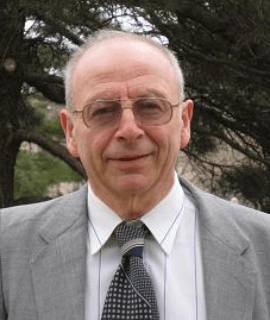
Alexander G Ramm
Kansas State University, United States
Thomas J Webster
Interstellar Therapeutics, United States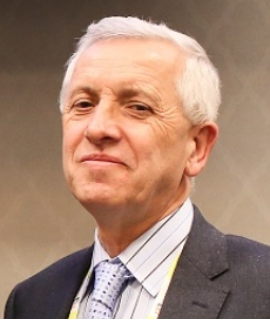
Stanislaw Dzwigaj
Sorbonne University, France CCET 2023 Speakers
Stanislaw Dzwigaj
Sorbonne University, France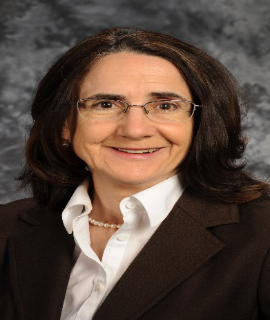
Anne M Gaffney
University of South Carolina, United States
Delia Teresa Sponza
Dokuz Eylul University, Turkey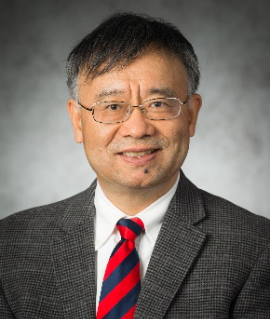
Ji Wang
Ningbo University, China
Ziyi Zhong
Guangdong Technion-Israel Institute of Technology, China
Evgeniya N Vlasova
Boreskov Institute of Catalysis SB RAS, Russian Federation
Title : Basic lattice reactions in memory behavior of shape memory alloys
Osman Adiguzel, Firat University, Turkey
Title : Application of metal single-site zeolite catalysts in heterogeneous catalysis
Stanislaw Dzwigaj, Sorbonne University, France
Title : Bioelectrocatalytic materials based on buckypapers and biosourced glyconanoparticles
Serge Cosnier, Universie Grenoble Alpes, France
Title : Human nanomedicine: Catalysts for improving health in the clinic
Thomas J Webster, Interstellar Therapeutics, United States
Title : Solution of the millennium problem concerning the Navier-Stokes equations
Alexander G Ramm, Kansas State University, United States
Title : Distal functionalization via transition metal catalysis
Haibo Ge, Texas Tech University, United States
Title : Plastic Trash to Monomers and Intermediates – PTMI
Anne M Gaffney, University of South Carolina, United States
Title : Role of supplemented nutrients and intermediate temperature on bio-methane generation from anaerobic digestion of agricultural waste: Feasibility & Fertilizer recovery
Md Nurul Islam Siddique, University Malaysia Terengganu, Malaysia
Title : CO2 hydrogenation to methanol over Cu/TiO2 catalysts: The role of oxygen vacancies in CO2 activation
Ziyi Zhong, Guangdong Technion-Israel Institute of Technology, China
Title : Highly rotationally excited N2 of N2O dissociation on Pd(110) surface
Zibo Zhao, Max Planck Institute for Multidisciplinary Sciences, China