
Single-atom catalysis represents a revolutionary advancement in catalytic technology within chemical engineering. Traditional catalysts rely on bulk materials, but single-atom catalysis operates at the atomic level, offering unparalleled efficiency and selectivity. By immobilizing single metal atoms on a support material, such as graphene or metal oxides, researchers can exploit their unique electronic and geometric properties for catalyzing chemical reactions.
This innovation holds immense promise across various industries, from energy production to environmental remediation. Single-atom catalysts exhibit higher activity and stability, enabling more sustainable processes with reduced resource consumption and waste generation. Additionally, their precise control allows for tailoring catalytic performance to specific reactions, paving the way for cleaner and more efficient chemical manufacturing processes. As technology continues to evolve, single-atom catalysis is poised to play a pivotal role in shaping the future of catalytic engineering and driving advancements in chemical processes.

Alexander G Ramm
Kansas State University, United States
Thomas J Webster
Interstellar Therapeutics, United States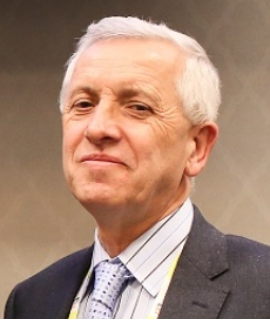
Stanislaw Dzwigaj
Sorbonne University, France
Stanislaw Dzwigaj
Sorbonne University, France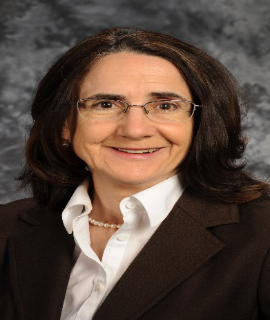
Anne M Gaffney
University of South Carolina, United States
Delia Teresa Sponza
Dokuz Eylul University, Turkey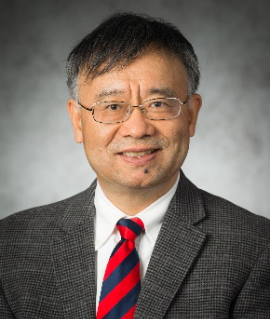
Ji Wang
Ningbo University, China
Ziyi Zhong
Guangdong Technion-Israel Institute of Technology, China
Evgeniya N Vlasova
Boreskov Institute of Catalysis SB RAS, Russian Federation
Title : Basic lattice reactions in memory behavior of shape memory alloys
Osman Adiguzel, Firat University, Turkey
Title : Application of metal single-site zeolite catalysts in heterogeneous catalysis
Stanislaw Dzwigaj, Sorbonne University, France
Title : Bioelectrocatalytic materials based on buckypapers and biosourced glyconanoparticles
Serge Cosnier, Universie Grenoble Alpes, France
Title : Human nanomedicine: Catalysts for improving health in the clinic
Thomas J Webster, Interstellar Therapeutics, United States
Title : Solution of the millennium problem concerning the Navier-Stokes equations
Alexander G Ramm, Kansas State University, United States
Title : Distal functionalization via transition metal catalysis
Haibo Ge, Texas Tech University, United States
Title : Plastic Trash to Monomers and Intermediates – PTMI
Anne M Gaffney, University of South Carolina, United States
Title : Role of supplemented nutrients and intermediate temperature on bio-methane generation from anaerobic digestion of agricultural waste: Feasibility & Fertilizer recovery
Md Nurul Islam Siddique, University Malaysia Terengganu, Malaysia
Title : CO2 hydrogenation to methanol over Cu/TiO2 catalysts: The role of oxygen vacancies in CO2 activation
Ziyi Zhong, Guangdong Technion-Israel Institute of Technology, China
Title : Highly rotationally excited N2 of N2O dissociation on Pd(110) surface
Zibo Zhao, Max Planck Institute for Multidisciplinary Sciences, China